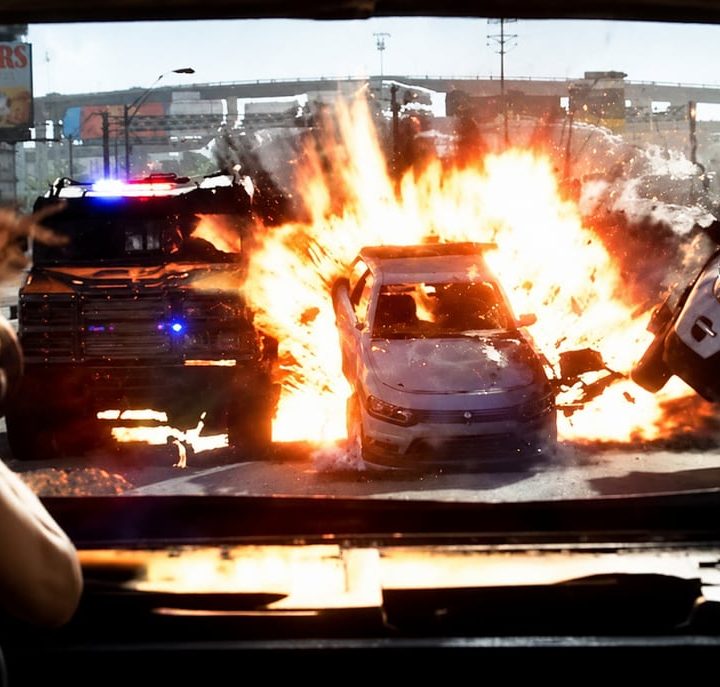
An ammunition shortage can begin before your reserve runs empty. Advancing without checking your weapon, reloading while exposed, or repeatedly firing at a poor angle can leave you unprepared for the next threat. Manage ammunition around the next action you need to take, not just the number of rounds you have left.
Before spending GTA 6 Money on combat supplies, identify the actual gap in your preparation. Your priority might be replenishing a frequently used weapon, preparing a usable backup, or simply checking your ammunition before starting another objective.
The advice below focuses on combat planning rather than ammunition types or damage effects. Specific reload rules, shared ammunition pools, purchase restrictions, and refill behavior are not treated as confirmed here. Check those details in your current game before building a strategy around them.
Track Immediate Readiness and Remaining Supply Separately
Use two questions to assess your ammunition:
- Can I handle the next threat without reloading?
- Can I continue fighting after the next reload?
The first question concerns immediate readiness. The second concerns endurance. Check both before leaving a safe position.
Check Reserves Between Exchanges
Choose a repeatable moment to inspect your ammunition, such as after clearing the immediate threat or before approaching another encounter.
Use that pause to review:
- The ammunition available in your selected weapon.
- The reserve available for continued fighting.
- The readiness of your backup.
- Whether the objective still requires more combat.
Avoid repeatedly opening menus while exposed. Make the check part of a safe pause rather than another distraction during an active exchange.
Do Not Assume Another Weapon Means Another Reserve
Before treating a backup as extra ammunition, verify whether it draws from a separate supply. Check its readiness as well. A weapon you have not inspected is an uncertain fallback.
Give the backup a practical purpose: handling an immediate interruption, preserving your preferred weapon for a harder encounter, or covering a situation where your main weapon is awkward to use.
Reload Before Committing to Movement
Plan reloads around exposure and the next action. Preparing before crossing a doorway is different from reloading after you have already stepped through it.
Use this decision sequence:
- 1. Identify the immediate threat. Decide whether you need to fire or move right now.
- 2. Reach a protected position where possible. Avoid starting a reload merely because you stopped shooting.
- 3. Check your ammunition. Determine whether reloading is necessary before the next action.
- 4. Finish preparing before advancing. Do not combine entry into an unknown area with an unfinished reload.
Avoid Reloading Automatically After Every Target
A defeated enemy does not necessarily mean the surrounding area is safe. Look for another threat before turning your attention to the weapon.
There is no universal reload percentage to follow here. Base the decision on what you expect to do next. Crossing an exposed space, entering a room, and remaining behind cover present different demands.
Verify Reload Behavior Before Relying on It
Do not assume GTA 6 handles partial magazines, interrupted reloads, or weapon switching exactly like another shooter.
If you want to test a behavior, use a safe location and change one variable at a time. Compare ammunition before and after a partial reload, then check interruption behavior separately. Avoid testing unfamiliar controls during a mission where failure would cost substantial progress.
Match Ammunition Spending to the Encounter
The following are tactical recommendations, not claims about scripted enemy behavior or mission requirements.
| Situation | Ammunition priority | Recommended action | Avoid |
| Close indoor fighting | Be ready before entering another space | Check your weapon from a cleared position | Crossing a doorway while unprepared |
| Open-area combat | Reduce shots taken from poor angles | Reposition when you cannot track the target reliably | Repeating unsuccessful fire from the same spot |
| Extended fighting | Preserve enough supply to continue | Review consumption during safe pauses | Watching only the currently loaded ammunition |
| Vehicle-related action | Prepare before movement limits your options | Check permitted weapons and controls beforehand | Assuming every carried weapon will be available |
| Low-ammunition escape | Preserve rounds for immediate obstructions | Prioritize reaching the objective or safety | Spending the remaining supply on optional targets |
Indoor Encounters: Prepare at the Boundary
Treat doorways, stairwells, and corners as preparation checkpoints. Before moving beyond one, check your weapon and identify where you could retreat.
If ammunition is low, avoid advancing simply because the previous exchange ended. Establish whether your current supply supports another engagement.
Open Areas: Change the Shot Before Spending More
When repeated shots miss, interrupt the pattern. Move to a better angle, wait for a clearer opportunity, or select a weapon you can control more consistently.
If sustained automatic fire is producing misses, try shorter bursts. Use this as a control adjustment, not as an assumed hidden accuracy bonus.
Long Encounters: Compare Ammunition Spent with Progress Made
After a demanding exchange, ask what your ammunition achieved. Did you clear the route, reach the objective, or remove a threat blocking movement?
If you spent heavily without improving your position, change the approach before firing again. Saving ammunition should not mean refusing every useful shot. It means avoiding expenditure that repeatedly fails to help.
Replenish Deliberately, Not Just Frequently
When an ammunition purchase or refill option is available, confirm what it supplies before using it. Do not treat a refill description as evidence of increased carrying capacity.
Use a targeted routine:
- 1. Review the weapons you intend to carry.
- 2. Identify which supply is actually low.
- 3. Read the available purchase or refill description.
- 4. Confirm compatibility and any displayed restrictions.
- 5. Check that the intended ammunition count changed afterward.
Treat Pickups as Unconfirmed Supply Until Collected
Do not plan an encounter around ammunition you expect enemies to leave behind. If a pickup is available, assess whether you can reach it safely and verify what it provides.
An uncertain refill across an exposed area should not replace a retreat plan. Preserve a route out before committing your remaining ammunition to reaching it.
Prepare for the Mission You Are About to Attempt
Use a short checklist before beginning an objective likely to involve combat:
- Check the selected weapon and its reserve.
- Prepare a backup you know how to use.
- Replenish the supplies you expect to consume.
- Read the objective instructions.
- Avoid assuming the mission provides ammunition.
- Identify a possible disengagement route where the objective allows one.
Set your low-ammunition warning from experience rather than an invented universal number. If your remaining supply is below what you recently needed for a comparable encounter, replenish or adjust your plan before committing.
When Supplies Run Short, Reduce Optional Combat
Focus on threats that prevent movement, block the objective, or create immediate danger. Stop firing at targets that do not need to be engaged, and check whether a prepared backup can cover the remaining task.
For readers arriving through a GTA 6 Money buy search, separate purchasing intent from combat readiness. Identify the actual ammunition shortage and inspect the in-game options available to address it. Do not assume an external listing establishes compatibility, delivery, or a supported refill method.
Before taking the next fight, check your loaded ammunition, remaining reserve, and route forward. If the supply does not support the task, replenish where possible or reduce the amount of combat required to complete it.