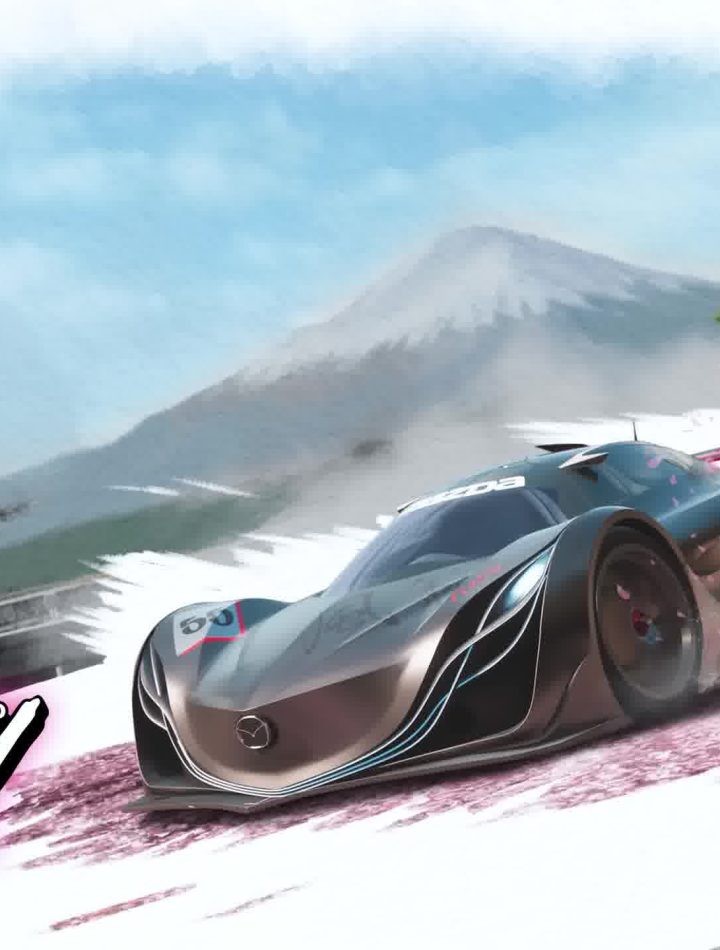
Forza Horizon 6 has launched globally on Xbox Series X|S and PC, and its reception has been immediate and unusually strong for a racing title. Within days, it became one of the fastest-growing Xbox Game Studios releases on Steam, drawing millions of players and securing top-tier review scores across major aggregators.
Set in Japan, the game doesn’t just iterate on the Horizon formula—it restructures it. Across progression, exploration, city design, and multiplayer culture, Forza Horizon 6 systematically refines nearly every pillar of its predecessor while introducing a more grounded sense of purpose and identity.
Below is a structured breakdown of what defines the game’s design evolution.
Core Improvements Overview
| System | Forza Horizon 5 Approach | Forza Horizon 6 Upgrade |
| Progression | Open-ended festival sandbox | Structured wristband-based progression |
| Exploration | XP-driven map clearing | Journal + stamps + discovery incentives |
| Fast Travel | Paid unlock system | Free but discovery-gated travel |
| Urban Design | Limited large city zones | Massive, multi-district Tokyo |
| Multiplayer | Convoys + EventLab focus | Car meets + cultural hubs |
| Customization | Garage-based tuning | Estate-based ownership + deeper personalization |
| Audio | Strong engine sounds | Field-recorded Japan-wide acoustic system |
| Guidance UI | Standard menu navigation | “What’s Next” progression assistant |
Progression That Actually Feels Earned
One of the most significant changes in Forza Horizon 6 is the rework of progression pacing.
Rather than immediately handing players access to high-performance supercars, the game introduces a tourist-to-legend journey. You begin as an outsider in Japan and must earn your place in the Horizon Festival.
Wristband Progression System
| Wristband Tier | Player Status | Unlock Impact |
| Entry | Tourist | Basic events, starter cars |
| Amateur | Rising driver | Expanded event access |
| Pro | Competitive racer | Performance car eligibility |
| Elite | Festival contender | High-tier races & challenges |
| Legend | Horizon icon | Endgame access (Legend Island) |
This structure ensures that vehicle acquisition, including high-performance machines, is paced rather than front-loaded. Even earning access to systems like Forza Horizon 6 Credits becomes part of a broader progression arc rather than an instant unlock economy.
Exploration With Purpose, Not Checklist Fatigue
Open-world racing games often degrade into map-clearing exercises. FH6 directly addresses this issue with its collection journal and stamp system.
Instead of simply earning XP for discovering landmarks, players now actively document their journey.
Exploration Systems Comparison
| Activity Type | Old Model | FH6 Model |
| Discover landmark | XP reward | Journal entry + stamp |
| Photo mode usage | Optional | Integrated progression |
| Map completion | Checklist-based | Narrative discovery loop |
| Event discovery | Random unlocks | Contextual progression rewards |
This shift makes exploration feel less mechanical and more curated, especially when revisiting areas or planning routes for replayability.
Fast Travel Reimagined
Fast travel has been redesigned to remove economic friction while preserving exploration integrity.
- No purchase requirement
- Instant availability
- Restricted to discovered roads only
This means that even if players try to optimize travel, they are still incentivized to physically engage with the map.
| Feature | Behavior |
| Cost | Free |
| Availability | After road discovery |
| Replay benefit | High (easy revisit of landmarks) |
Japan as a Multi-Layered Driving Playground
The setting of Japan is not just aesthetic—it is structural. The world design emphasizes contrast at every scale:
- Dense neon Tokyo districts
- Rural mountain passes
- Coastal highways
- Snow-covered elevation routes
- Traditional towns and modern suburbs
Each biome supports a different driving discipline, from high-speed highway runs to technical touge racing.
Tokyo City: A New Benchmark for Urban Racing
The standout feature is undoubtedly Tokyo City itself, which is reportedly several times larger than previous Horizon urban environments.
| City Feature | Description |
| Scale | Multi-district mega-city |
| Verticality | Multi-level road networks |
| Density | High traffic + pedestrian zones |
| Race Types | Street racing, delivery runs, circuit loops |
| Visual Identity | Neon-heavy, layered architecture |
This creates a racing environment that feels closer to a living simulation than a traditional open-world track system.
Multiplayer: Car Culture Becomes the Core Loop
Instead of focusing purely on competitive playlists, FH6 introduces car meet culture spaces, such as:
- Okuiibuki
- Daikoku-inspired gathering zones
These areas function as social hubs where players:
- Showcase builds
- Share designs
- Inspect community vehicles
- Discover new tuning setups
This creates a feedback loop where visual customization directly influences multiplayer engagement.
Audio Design: Japan You Can Hear
Sound design in FH6 is significantly upgraded through field recording work conducted across Japan.
Key improvements include:
- Region-specific ambient audio
- Seasonal sound variation
- Enhanced engine acoustics
- Natural environmental layering (wind, urban noise, rural silence)
The soundtrack further reinforces cultural immersion, featuring Japanese artists such as YOASOBI, Zutomayo, and Hikaru Utada.
Customization and Ownership Depth
Player identity is no longer limited to vehicles. FH6 introduces a more personal layer of ownership through estate-based progression systems.
Customization Expansion
| Feature | Improvement |
| Vehicle livery system | Includes window customization |
| Player base | Fully customizable estate system |
| Social sharing | Visitors can tour player estates |
| Car design ecosystem | Expanded user-generated content tools |
This reinforces long-term retention by turning progression into visible, social identity.
UI and Player Guidance: The “What‘s Next” System
To prevent players from feeling overwhelmed, FH6 introduces a dedicated guidance interface.
“What‘s Next” Function
- Recommends next objectives
- Highlights active progression routes
- Suggests events aligned with player tier
- Reduces menu friction
This is particularly important given the scale of available systems, from racing disciplines to customization layers.
Economy and Player Choice Layer
While FH6 focuses less on monetization friction, its ecosystem still supports structured progression tied to rewards and unlocks. Players engaging deeply with progression loops or vehicle acquisition paths may encounter systems involving FH6 Credits, which function as a core economic layer for upgrades and car acquisition.
Similarly, advanced players looking to expand garages or optimize collections may explore options such, especially when building specialized performance builds for specific event types.
Closing Perspective: A Structural Rebuild, Not Just an Upgrade
Forza Horizon 6 is not simply a larger or prettier sequel—it is a deliberate redesign of how progression, exploration, and community interaction function in an open-world racing framework.
By introducing structured progression, meaningful exploration systems, and deeply social car culture spaces, it shifts the franchise closer to a living ecosystem rather than a content checklist.
The result is a racing game that doesn’t just reward speed—but rewards presence, discovery, and identity within its world.